We Are Still Amusing Ourselves to Death—35 Years Later

Body

“…our civic life has become consumed by soundbites and Twitter feeds. Even those outlets that are supposed to be providing substance do not. Despite appearances, Fox News and MSNBC have much in common.” - TGC

Discussion

25 Theses on Trinitarian Classical Theism

Body

“The following theses are from Craig Carter’s new book, Contemplating God with the Great Tradition: Recovering Trinitarian Classical Theism (Baker Academic, 2021). These theses are a corrective to the relational theism so prevalent in Protestantism, and serve to help evangelicals today return to the biblical, classical, and Nicene doctrine of God.” - Credo

Discussion

Simil Justus et Peccator: Saints Are Still Sinners (Part 2)

Read Part 1.

An Urgent Petition: “seek your servant”

Basically, this is a prayer for spiritual restoration. The psalmist has strayed from the “paths of righteousness,” and he cries out for the Great Shepherd to rescue him. He wants forgiveness, and he wants to know again the joy of his salvation. As he makes his petition he’s conscious of at two realities:

Discussion

Simil Justus et Peccator: Saints Are Still Sinners (Part 1)

Christian biographies are a great means of edification and godliness. And yet, their benefits aren’t free from dangers. One danger that comes to mind is that of developing an unrealistic view of the Christian life. Often, Christian biographers maximize the virtues and minimize the faults of the saints. The picture they paint has too rosy a hue. We can partly understand this. Obviously, we want to view Christians in the best light. We want to give them the benefit of the doubt. We want to showcase their faithfulness to God.

Discussion

Subordination or Simplicity?

Body

James R. Gordon argues against the Eternal Functional Subordination view of Ware and Grudem and in favor of the “doctrine of divine simpicity.” - Credo

Discussion

The Reformation at 500: Luther’s Stand at Worms

Read Part 1.

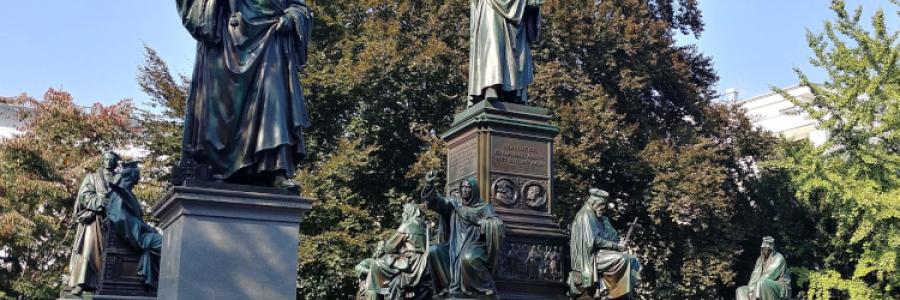
One of the most fascinating sights that we saw on our 500th-anniversary Reformation tour was the Luther Monument—sometimes called the Reformation Monument—which is located across the street from the park where Dr. Martin Luther’s famous stand before the Diet of Worms is memorialized.

Discussion